
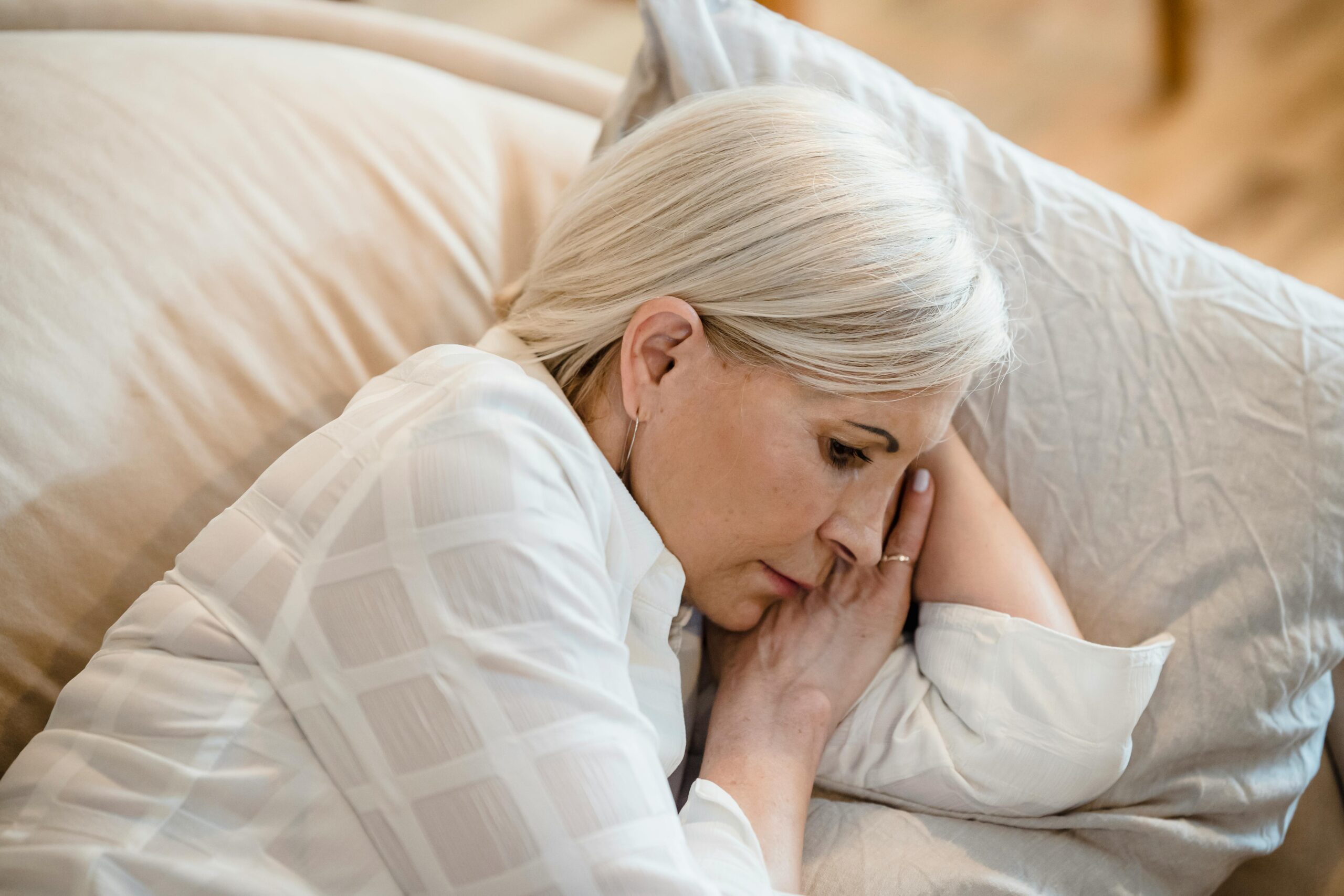

Active cooling systems offer the most effective temperature control for hormonal night sweats. Clinical studies show a 56% reduction in hot flash frequency with temperature-controlled bedding, while comprehensive smart beds addressing both temperature and pressure relief provide the most complete solution for fragmented sleep.
Key Takeaways
- 56% fewer nighttime hot flashes documented in clinical research on temperature-controlled bedding
- Active cooling systems (water or air-based) maintain precise temperatures all night; passive materials saturate within 1-2 hours
- 40-60% of peri/postmenopausal women experience sleep disturbances – this is physiological, not personal failure
- Dual-zone control allows partners with different temperature needs to share a bed comfortably
- Temperature alone may not solve fragmented sleep – pressure relief and relaxation features address the “staying asleep” problem
The Scale of Hormonal Sleep Disruption
40-80% of women report vasomotor symptoms during the menopausal transition, according to the SWAN Study. Sleep disturbance rates double compared to pre-menopausal women, reaching 51.6% among postmenopausal women globally per NIH meta-analysis.
The numbers get starker with symptom severity. Research published in PMC found:
- 26% of perimenopausal women qualify for clinical insomnia diagnosis
- 80%+ of women with severe hot flashes report chronic insomnia symptoms
- 50% of women with menopausal insomnia sleep fewer than 6 hours nightly
Night sweats peak in the 41-55 age range, with prevalence reaching 41% in primary care patients. Up to 1.5 liters of sweat per night is physiologically normal – which explains waking in damp bedding and the difficulty falling back asleep in a humid microclimate.
The desperation many women feel is real. As one user shared on r/Menopause:
“Im going through it! Menopause ugh!! The night sweats, hot flashes are insane! This aging thing is no joke and Im soooo over these menopausal symptoms and sadly they are getting worse. I literally was drenched in night sweat and my foam mattress is not helping, so I need to get a cooling mattress pad topper that actually works and is not too expensive Please help me find one so I can get some relief at night cause I can’t take it anymore! I love sleeping and before I would look forward to going to bed because sleeping was my favorite thing to do but now I dread going to bed.”
Why This Is Happening: The Hormone-Temperature Connection
Declining estradiol destabilizes your body’s thermostat. IMS Society research shows higher rates of nighttime awakenings are directly associated with lower estradiol and higher FSH levels – independent of the night sweats themselves.
The temperature difference is measurable. An AASM journal study found:
| Measure | Young Women | Middle-Aged Women |
|---|---|---|
| Skin temperature during sleep | 34.6°C | 35.0°C |
| Temperature pattern | Decreases overnight | Stays elevated |
| Sleep quality correlation | Normal decline | Elevated = poorer PSQI scores |
This sustained elevation isn’t something you’re imagining. Your body has lost the mechanism that normally cools you down for sleep.
Progesterone decline compounds the problem. According to Stanford Lifestyle Medicine, reduced progesterone diminishes the hormone’s natural sedative effects, producing lighter sleep with less ability to “sleep through” minor disturbances. The result: a dual-pathway disruption where thermal triggers wake you, and hormonal changes prevent you from falling back asleep easily.
Active vs. Passive Cooling: The Critical Distinction
Passive cooling materials saturate within 1-2 hours. That’s the core limitation most marketing glosses over.
How Each Technology Works
Active systems (Eight Sleep, Chilipad, Sleep Number Climate360) use powered water circulation or air flow to continuously remove heat from the sleep surface. Testing by NoSleeplessNights shows these systems maintain temperatures within ±1°F of set points across a 55-115°F range – even in rooms exceeding 80°F.
Passive systems (gel-infused foam, phase-change materials, cooling covers) absorb heat until they reach capacity. Global Market Insights reports these materials can maintain surfaces up to 8°C cooler than standard foams initially. The problem: once saturated, warmth returns, typically within 1-2 hours according to Oreate AI testing.
When Each Makes Sense
| Symptom Pattern | Recommended Approach |
|---|---|
| Occasional mild overheating | Passive cooling + room AC |
| Regular hot flashes (several per week) | Active cooling system |
| Multiple nightly hot flashes + damp bedding | Comprehensive smart bed with active cooling |
| Fluctuating temperature needs throughout night | Adaptive system with automatic adjustment |
Sleep Number survey data found 56% of menopausal women have fluctuating temperature needs at night, while 35% run consistently hot. If your pattern is unpredictable, reactive systems that detect and respond to temperature changes offer advantages over static cooling.
Clinical Evidence: What the Research Shows
Hot Flash Reduction Data
56% fewer nighttime hot flashes. That’s the headline finding from Eight Sleep’s 98-person clinical study of peri- and postmenopausal women over a 14-night crossover period.
Additional findings from that study:
- 85% of participants experienced fewer nighttime hot flashes
- 10% improvement in overall sleep quality
- 9% decrease in menopausal symptom severity
- Benefits occurred regardless of hormone replacement therapy status
Chilipad/Sleep.me research reported:
- 60% decline in hot flash frequency
- 57% decrease in hot flash severity
- 64% decrease in night sweat frequency
- 30% improvement in sleep scores
Sleep Architecture Improvements
Temperature control affects more than just wakeups. A NIH-published study of 54 subjects across 300+ nights found:
| Sleep Metric | Improvement | Statistical Significance |
|---|---|---|
| Deep sleep | +14 minutes (+22%) | p=0.003 |
| REM sleep (women) | +9 minutes (+25%) | p=0.033 |
| Sleep onset latency | Reduced | p<0.001 |
| Sleep medication use | 15 → 9 subjects (40% reduction) | p<0.001 |
Sleep Number research from 9,000+ sleep sessions found that cooling through most of the night with slight warming before waking produced the best outcomes: faster sleep onset, longer sleep duration, and deeper rest.
Understanding Study Limitations
Most smart bed research is manufacturer-funded. The Eight Sleep study was a preprint (not yet peer-reviewed at publication). Sample sizes are typically under 100 participants.
The American Academy of Sleep Medicine notes that only 3 of 73 sleep apps have undergone polysomnography validation. Consumer sleep tracking provides useful pattern identification but shouldn’t be used for clinical diagnosis.
The evidence is directionally strong – meaningful improvements are measurable – but individual outcomes will vary.
Smart Bed Comparison: Active Cooling Systems
| Product | Price (Queen) | Temp Range | Cooling Type | Noise Level | Key Differentiator |
|---|---|---|---|---|---|
| Eight Sleep Pod 4 | $2,649 | 55-110°F | Water circulation | ~40 dB | Auto-adjusting Smart Temp Autopilot |
| Sleep Number Climate360 | ~$10,249 (with base) | ±30° from ambient | Air via base fans | Not specified | Integrated with adjustable firmness |
| Chilipad Dock Pro | $499-999 | 55-115°F | Water circulation | 41-46 dB | Lower cost active cooling |
| BedJet | $499-949 | Varies | Forced air between sheets | 50-75 dB | No water maintenance |
Noise context: The WHO recommends bedroom noise below 30 dB for optimal sleep. Water-based systems (Eight Sleep, Chilipad) run quieter than air-based options (BedJet). All active systems produce some sound, though most users adapt within a few nights.
Couples Considerations
All listed systems offer dual-zone temperature control – each partner sets their own temperature. This addresses the common scenario where one partner experiences night sweats while the other runs cold or neutral.
True dual-zone firmness control is less common. Sleep Number and Bryte offer independent firmness adjustment per side; pad-based systems like Eight Sleep and Chilipad sit on your existing mattress and don’t affect firmness.
Beyond Temperature: Why Cooling Alone May Not Solve Fragmented Sleep
Temperature management prevents some wakeups. Returning to sleep quickly requires more.
Once a hot flash wakes you, what determines whether you’re up for 5 minutes or 45? Physical comfort, anxiety levels, and the ability to relax all factor in.
The Wake Prevention vs. Sleep Recovery Framework
- Wake prevention: Cooling technology reduces temperature-triggered arousals
- Sleep recovery: Comfort, relaxation, and pressure relief determine how quickly you fall back asleep
Customer review analysis from the Sleep Foundation shows menopausal women prioritize:
- Cooling and heat regulation
- Pressure relief for joints and back
- Firmness adjustability
- Spinal support
Joint discomfort is common during hormonal transitions – changes in estrogen affect connective tissue. A woman who wakes from a hot flash and then notices hip pressure or back stiffness may struggle to return to sleep even after temperature normalizes.
Comprehensive Solutions: Temperature + Adaptive Comfort
Static mattresses provide the same support regardless of how you shift throughout the night. If you move into a position that creates pressure, the mattress doesn’t respond.
Bryte’s approach combines temperature-appropriate materials with active pressure management. The Bryte Adaptive Core uses 90 pneumatic Balancers across 16 independent zones (8 per sleeper) that sense pressure and adjust firmness in real-time. The system detects discomfort and responds before it causes wakeups.
Key Bryte features for hormonal sleep disruption:
- BryteWaves: Synchronized gentle motion with curated audio (nature sounds, guided breathwork) to reduce anxiety and ease the transition back to sleep after waking
- Dual Comfort Design: Each partner controls their side’s firmness (0-100), runs their own relaxation tracks, views their own sleep data
- Restorative-AI: Learns your patterns over time and provides personalized adjustments as your needs change through hormonal transition
- Silent Wake Assist: Gradual motion wakes one partner without disturbing the other – relevant when one partner’s sleep has been more disrupted
- Cool-to-touch cover on PRO models for temperature-neutral sleep surface
The PRO models include a library of guided breathwork and focused intention tracks specifically designed for falling back asleep – addressing the anxiety component that often extends nighttime wakefulness.
Addressing Common Concerns
Noise and Sleep Disruption
Water-based and pneumatic systems operate more quietly than air-based fans. Testing from SleepGadgets.io found:
- Eight Sleep: ~40 dB (quiet library level)
- Chilipad Dock Pro: 41-46 dB
- BedJet: 50-75 dB depending on fan speed
Bryte’s pneumatic Balancers use medical-grade components designed for silent operation. Positioning control units away from the head of the bed reduces perceived noise for any system.
Maintenance Requirements
Water-based systems (Chilipad, Eight Sleep):
- Water changes: Monthly recommended
- Antimicrobial additives: Per manufacturer guidelines
- Filter cleaning: Every 6 months
Air-based systems (Sleep Number Climate360, BedJet):
- Vent/filter cleaning: Every 3-6 months
- No water maintenance
Pneumatic systems (Bryte):
- No water or filter maintenance
- Software updates delivered automatically over-the-air
Sleep Tracking Accuracy
Smart bed tracking identifies useful patterns but has limitations. Research published in Time found AI sleep stage detection accurate approximately 80% of the time – reasonable but not clinical-grade.
Use tracking data to identify correlations (temperature settings that work best, timing patterns) rather than obsessing over nightly scores. If tracking increases sleep-related anxiety, consider whether the feature serves you.
Data Privacy
Smart beds collect biometric data including movement, heart rate, and respiratory patterns. Kaiser Health News reported Sleep Number collects 8 billion data points nightly across users. Review manufacturer privacy policies before purchase – data handling practices vary.
Matching Solutions to Symptom Severity
Mild Symptoms
Occasional overheating, light sweating, manageable with room temperature adjustments
Consider: Passive cooling toppers ($50-200), moisture-wicking sheets, breathable mattress covers
Why: Active systems may be more than needed; passive solutions combined with room AC often suffice
Moderate Symptoms
Regular hot flashes (several nights per week), consistent overheating, disrupted sleep but functional days
Consider: Active cooling systems like Chilipad ($500-1,000) or Eight Sleep Pod ($2,500-3,500)
Why: Passive materials can’t maintain cooling through multiple hot flashes; active temperature control provides consistent relief
Real users report significant improvements with active cooling systems. One user on r/Menopause shared their experience:
“Mine has been a lifesaver. I had been waking up 2-3 times a night, shirt so drenched in sweat it could be rung out, pillow and sheet like pastry dough. I chose a King sized topper and two cooling/heating units. I keep my side set at 64-66 degrees, depending on season. And I sleep. Every once in a while I get a break through hot flash that wakes me up. But most nights I don’t wake up at all, and never drenched. I will say the units are not silent, they do hum a little, and I had to get used to that. Also, mine needs to have 2-3 ounces of water added every couple days, so absolutely don’t think it can be hidden under a bed like they show in promotional material. The tank holds about 16 ounces of water in the reservoir, but a minuscule drop will turn it off without warning. Mine is 4 years old, so maybe they’ve made improvements.”
Severe Symptoms
Multiple nightly hot flashes, significant night sweats, chronic insomnia, daytime impairment
Consider: Comprehensive smart beds with temperature control + adaptive pressure relief + relaxation features
Why: Temperature alone addresses only part of the problem; returning to sleep after waking requires comfort and relaxation support
Real User Experiences: Eight Sleep for Hot Flashes
For those considering active cooling systems specifically for perimenopausal and menopausal symptoms, user feedback provides valuable context. As one user explained on r/EightSleep:
“That’s what I thought too, that the bed would sense when I’m having a hot flash and cool me off. That’s not what it does. It gives you four different temperatures over the course of your sleep and while it takes a week or two to figure out what those temperatures are that are comfortable for you. That creates a cooler bed that you’re sleeping on. I still wake up. However the time and duration of my hot flashes is far less than it ever was and the bed is never sweaty. I am sleeping so much better and I have fewer hot flashes because the bed is keeping me at a cooler temperature throughout the night. It was / is life transforming for me who has had hot flashes for 12 years.”
Another user on r/Switzerland described the transformative effect of active bed cooling:
“I have one. It’s expensive but really improved my sleep. Especially in summer. One thing to consider is that you need some ventilation in your room otherwise the cooling will make your room crazy hot. I have minergie so it’s well ventilated but it still causes the room to get hotter by around 1 degree. My summary of it is: you know the feeling when you wake up and turn your pillow around or roll around and it’s fresh? Well now the whole bed is like this all the time”
Frequently Asked Questions
What is the best mattress for menopause night sweats?
Active cooling systems with temperature control offer the most effective relief. Clinical research shows 56% reduction in hot flashes with temperature-controlled bedding.
Top options by category:
- Budget active cooling: Chilipad Dock Pro ($499-999)
- Premium temperature control: Eight Sleep Pod 4 ($2,649)
- Comprehensive solution (temperature + pressure + relaxation): Bryte Balance PRO
Do cooling mattresses actually work for hot flashes?
Yes – active cooling systems show measurable results. Eight Sleep research documented 85% of peri/postmenopausal women experiencing fewer nighttime hot flashes, with 56% average reduction in hot flash frequency.
Passive “cooling” materials (gel foam, phase-change) provide 1-2 hours of relief before heat saturation. Active systems maintain precise temperatures all night.
What’s the difference between active and passive cooling?
Active cooling uses powered water circulation or air flow to continuously remove heat. Maintains ±1°F precision across 55-115°F range.
Passive cooling uses materials (gel, PCM) that absorb heat until saturated. Effectiveness diminishes after 1-2 hours as materials reach capacity.
Are smart beds noisy?
Water-based systems run quieter than air-based. Eight Sleep operates at ~40 dB (quiet library level); Chilipad at 41-46 dB. BedJet (air-based) reaches 50-75 dB.
Pneumatic systems like Bryte use medical-grade components designed for silent operation. Most users adapt to background noise within a few nights.
Can couples with different temperature needs share a smart bed?
Yes – most premium systems offer dual-zone control. Each partner sets their own temperature independently. Eight Sleep, Sleep Number Climate360, Chilipad, and Bryte all offer dual-zone options.
For different firmness preferences, Sleep Number and Bryte provide independent firmness adjustment per side.
How long until I know if a smart bed is working?
Most studies show measurable results within 2 weeks. The Eight Sleep clinical trial used a 14-night crossover design. Allow 2-4 weeks to dial in optimal temperature settings for your pattern.
Check manufacturer trial periods – most offer 30-100 night trials with returns if the system doesn’t work for you.
How much maintenance do water-based systems require?
Monthly water changes recommended; filter cleaning every 6 months. Water-based systems (Chilipad, Eight Sleep) require periodic water additions and antimicrobial treatment.
Pneumatic systems (Bryte) and air-based systems (BedJet, Sleep Number) require no water maintenance – only periodic vent/filter cleaning.
Making Your Decision
The evidence supports temperature-controlled bedding for hormonal sleep disruption. The question is which approach matches your specific situation.
If temperature is your primary issue and you wake from heat but fall back asleep easily once cooled, mid-range active cooling (Chilipad, Eight Sleep) provides targeted relief at reasonable cost.
If you wake from temperature but also struggle with discomfort, anxiety, or difficulty returning to sleep, comprehensive solutions addressing multiple factors – temperature, pressure, relaxation – offer more complete relief. Bryte’s combination of adaptive pressure relief, dual-zone comfort, and BryteWaves relaxation technology addresses the full spectrum of hormonal sleep disruption.
If budget is the primary constraint, start with quality moisture-wicking bedding and a cooling topper. These won’t match active systems but cost significantly less and may provide adequate relief for mild symptoms.
No technology cures menopause symptoms. What the research shows: meaningful, measurable improvement is achievable for most women. The best choice addresses your specific symptom pattern at a sustainable price point – including any ongoing maintenance or subscription costs.